
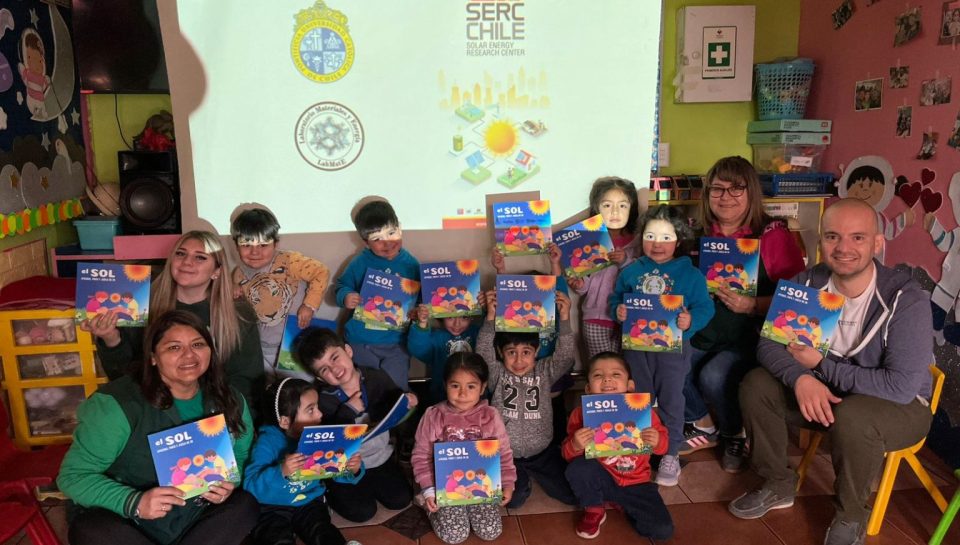

More than thirty young people learned how sunlight can transform materials, generate green hydrogen, and contribute to a cleaner energy future in an interactive experience led by researchers from SERC Chile and the UdeC Faculty of Chemical Sciences.
With the aim of sparking scientific curiosity and promoting early-stage vocations in the field of renewable energies, the Solar Energy Research Center SERC Chile participated in the 2025 Open House Fair organized by the Faculty of Chemical Sciences of the Universidad de Concepción.

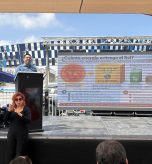
The team led by principal investigator Dr. Jorge Yáñez presented the exhibition “Applications of Solar Photochemical Energy,” an interactive space that combined science, technology, and sustainability. Through hands-on experiments, attendees were able to observe the production of green hydrogen via solar electrolysis, the reduction of copper with photocatalysts, the degradation of contaminating dyes, and the measurement of the solar spectrum.
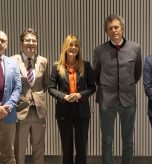
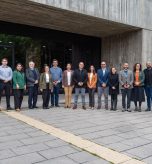
More than 30 secondary school students and graduates from various educational institutions in the Biobío Region actively participated in the demonstrations, with the support of researchers and professionals from SERC Chile and the Universidad de Concepción. The event became an educational experience that brought scientific research closer to the youth, showing how solar energy can be applied to solve the country’s environmental and production challenges.

“We wanted the students to experience science firsthand,” stated Dr. Jorge Yáñez, a principal investigator at SERC Chile. “Solar energy is much more than photovoltaic panels; behind it are fascinating chemical processes that allow for the generation of hydrogen, the transformation of materials, or the decontamination of water. When young people experience that, they understand that research can have a real impact on sustainability and Chile’s energy future.”
SERC Chile's participation in the fair reaffirms its commitment to scientific outreach and the training of new generations in strategic areas for the energy transition. These engagement opportunities allow advanced research to connect with the educational community, promoting an open dialogue on science, innovation, and sustainable development from the regions.