

SERC Chile strengthens interuniversity collaboration to drive energy solutions and public policy from Antofagasta
Researchers from eight universities participated in a technical visit and a collaborative workshop aimed at focusing research, coordinating capacities, and transforming scientific knowledge into solutions and proposals for Chile's energy transition.
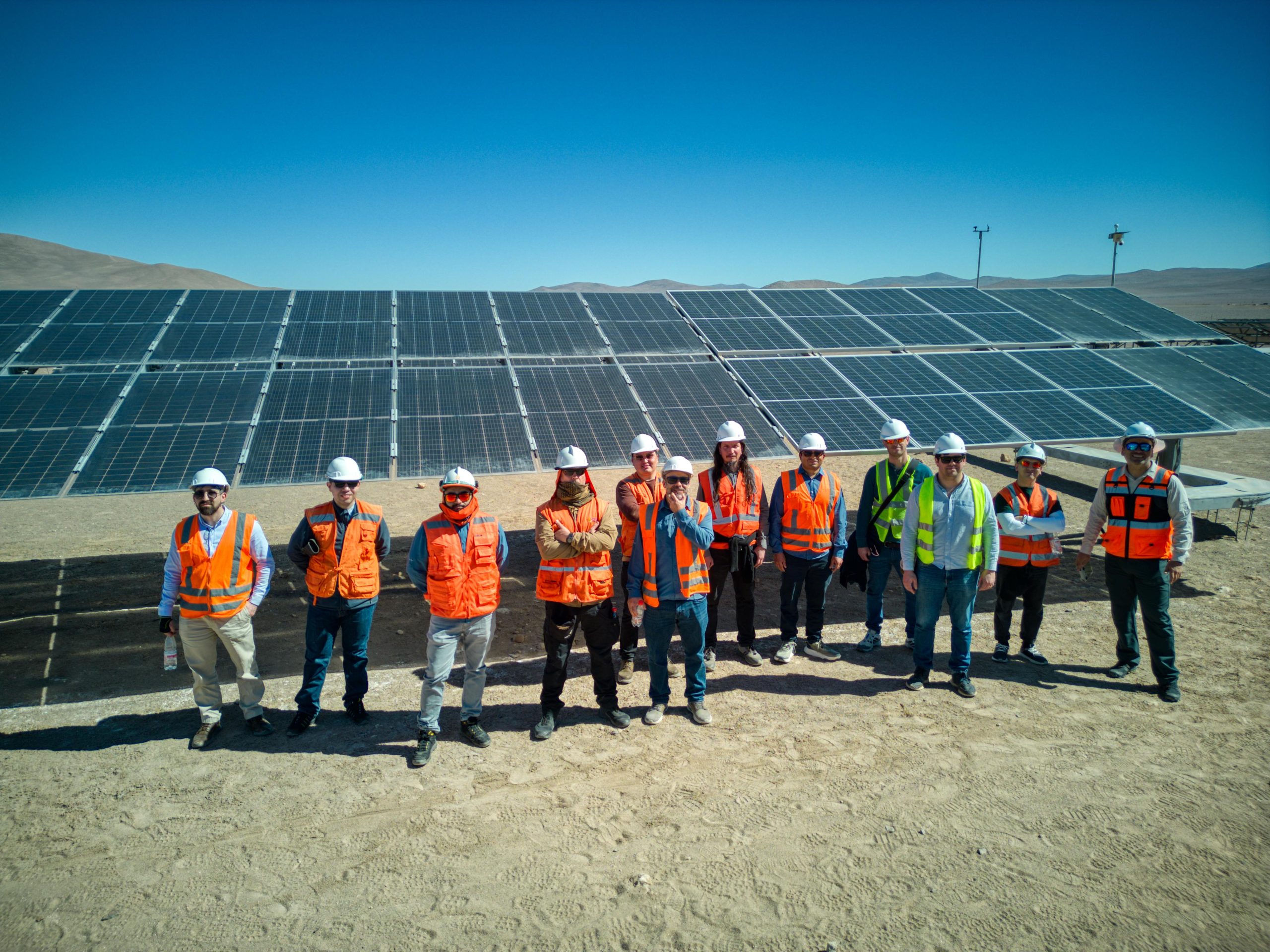
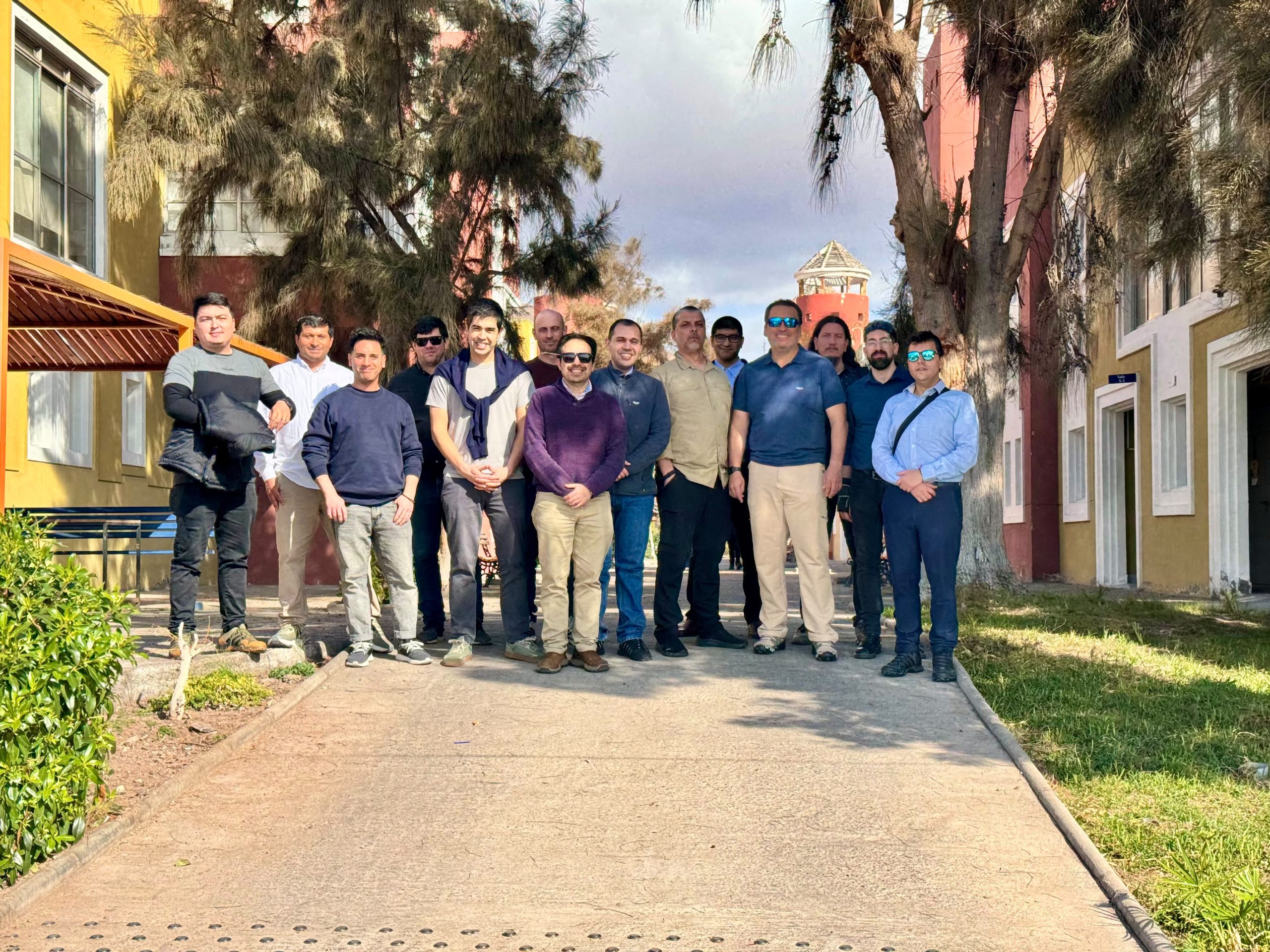
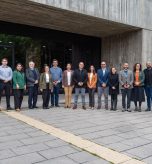
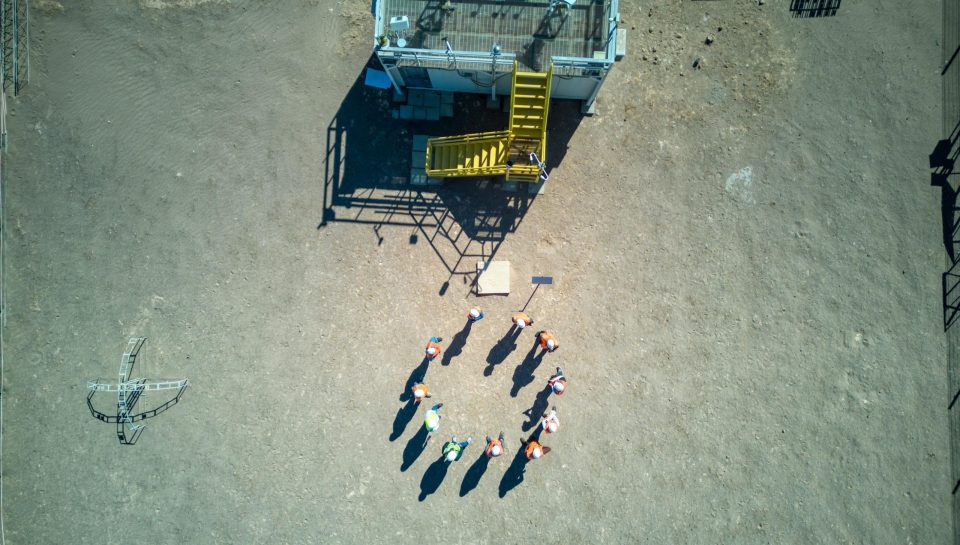
Antofagasta – Knowing the available capacities, sharing experiences, and building relationships of trust among teams from different institutions are fundamental conditions for scientific research to be transformed into concrete solutions for the country. To this end, on July 30 and 31, researchers from SERC Chile's Research Line 3 participated in a technical visit and a collaborative workshop held at the Universidad de Antofagasta.
The activities brought together researchers and teams linked to the Universidad de Antofagasta, Universidad de Chile, Pontificia Universidad Católica de Chile, Universidad Austral de Chile, Universidad de Atacama, Universidad Técnica Federico Santa María, Universidad de Talca, Universidad Adolfo Ibáñez, and Universidad Andrés Bello.
The institutional, disciplinary, and territorial diversity of the participants allowed for the connection of knowledge related to electrical engineering, energy systems, materials, storage, environmental assessment, circular economy, communities, and productive sectors. This convergence is essential for addressing energy challenges that, due to their complexity, cannot be resolved from a single discipline, technology, or institution.
Regional infrastructure for research under real-world conditions
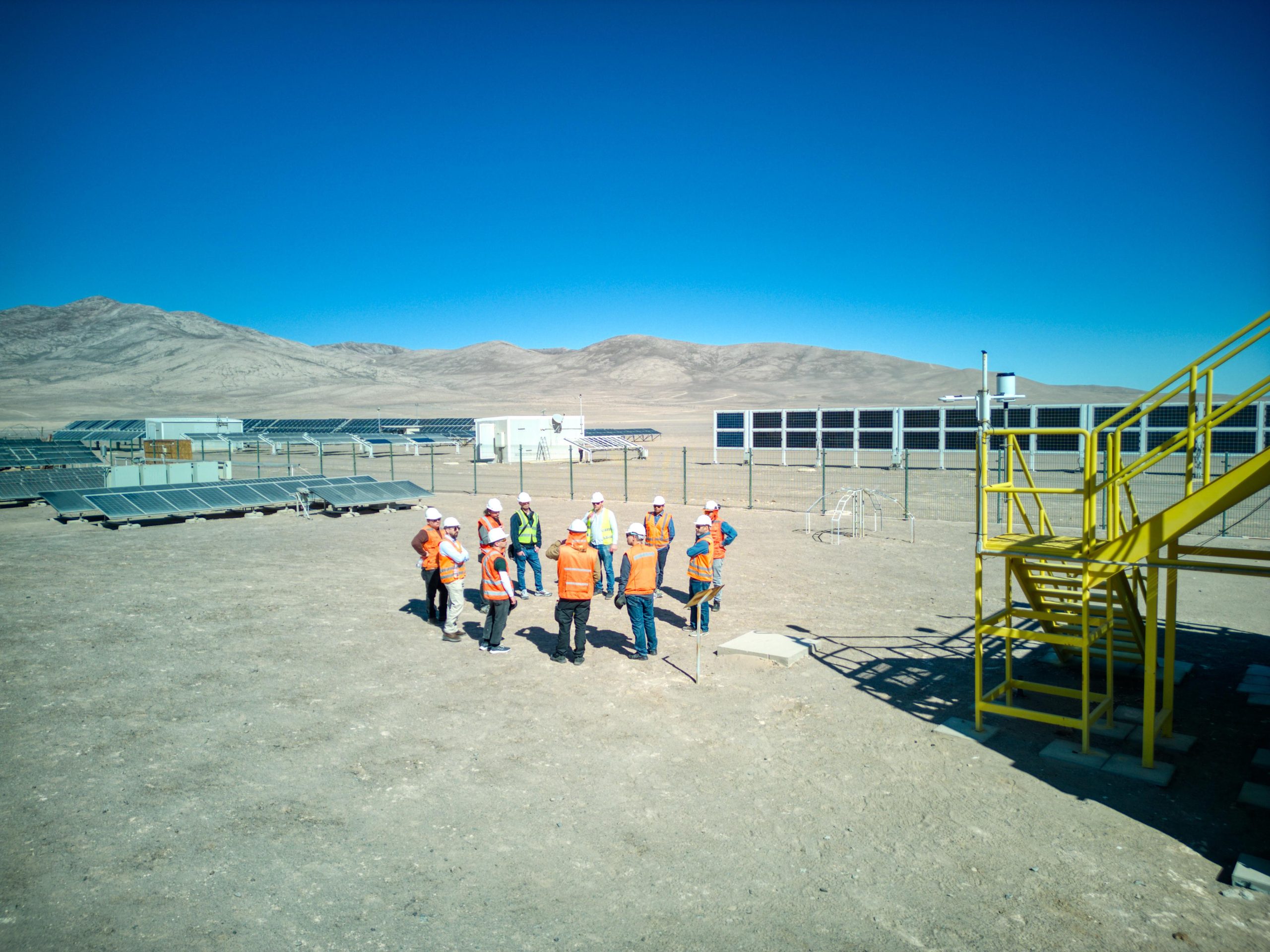
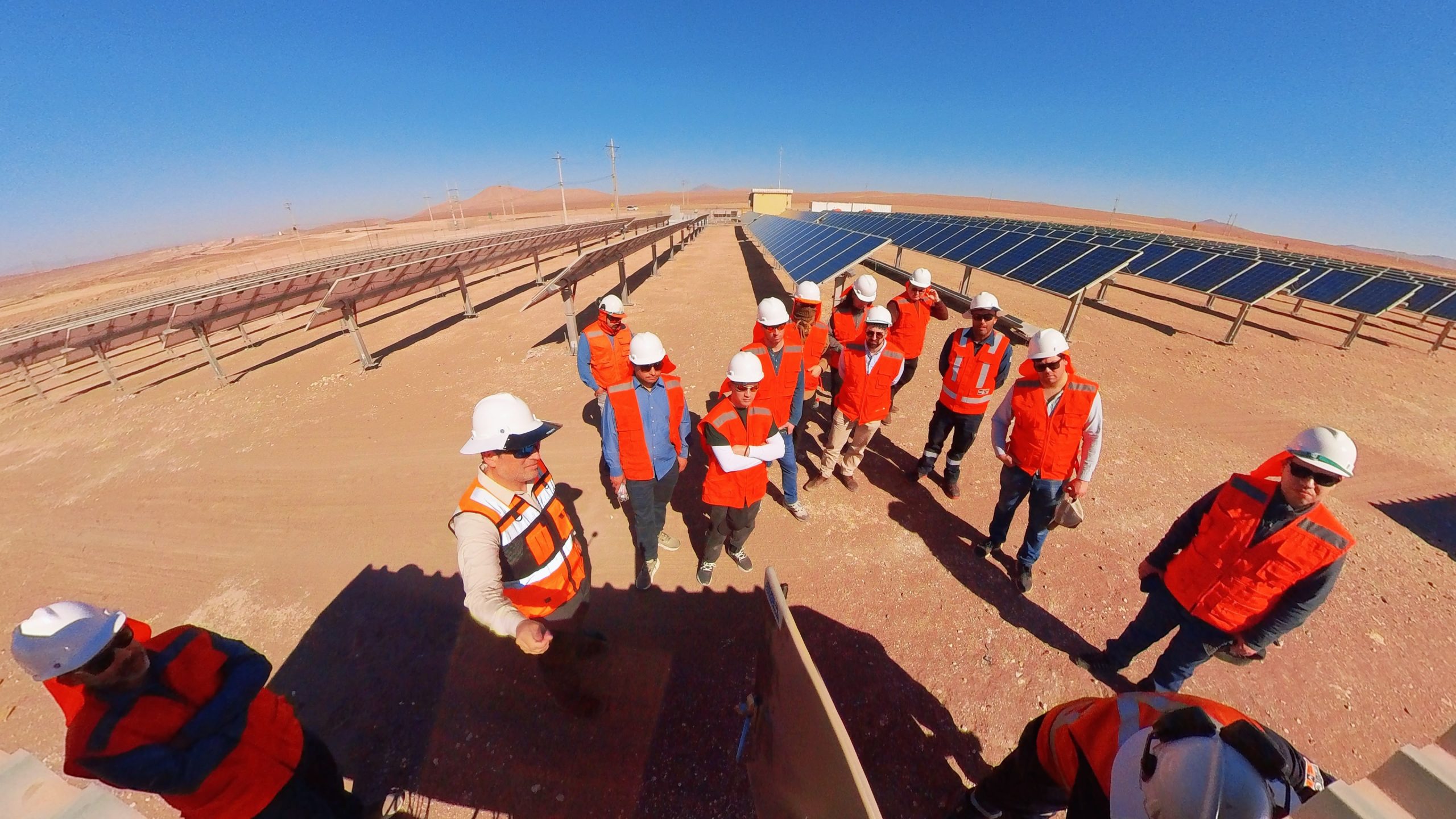
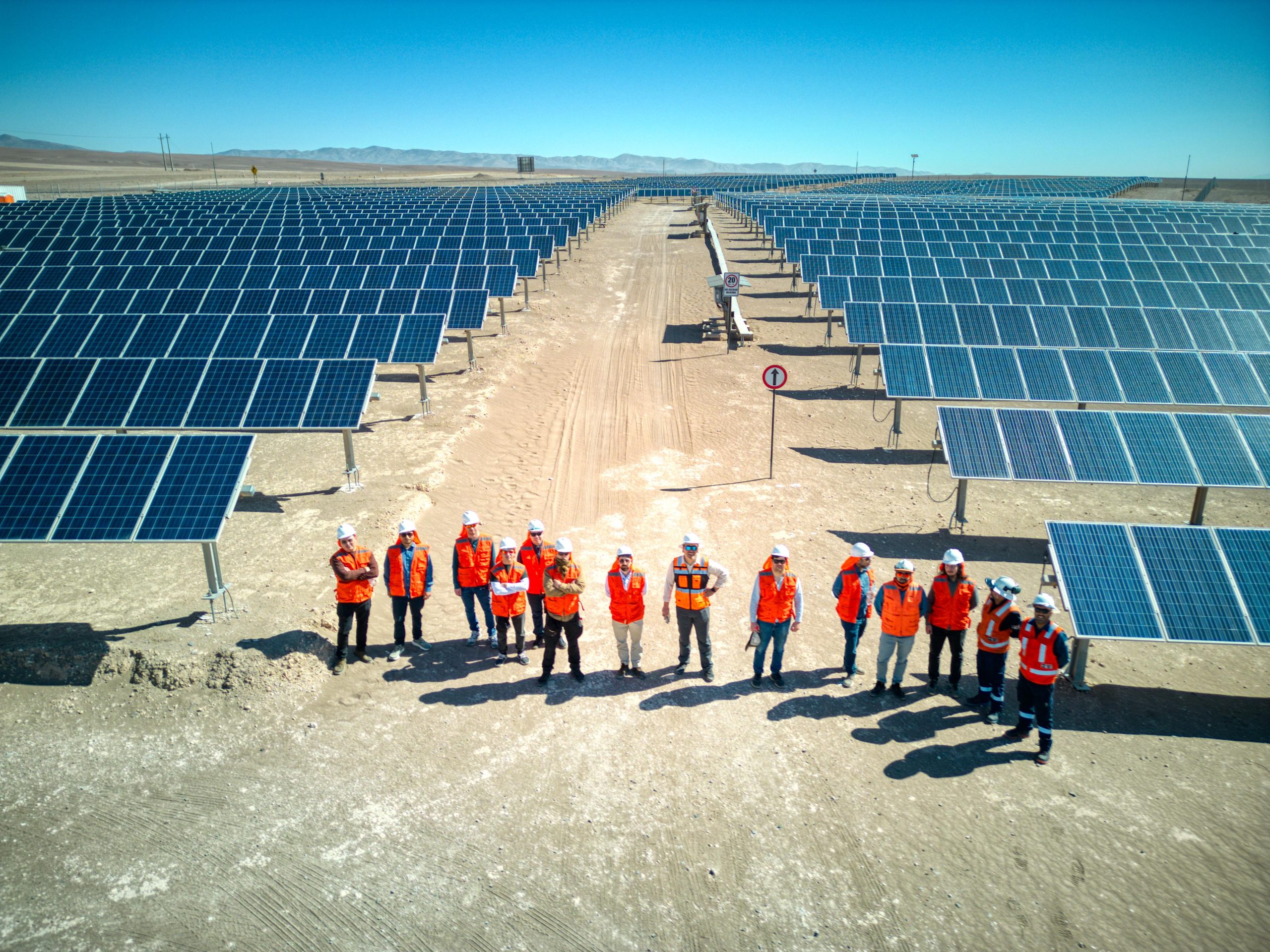
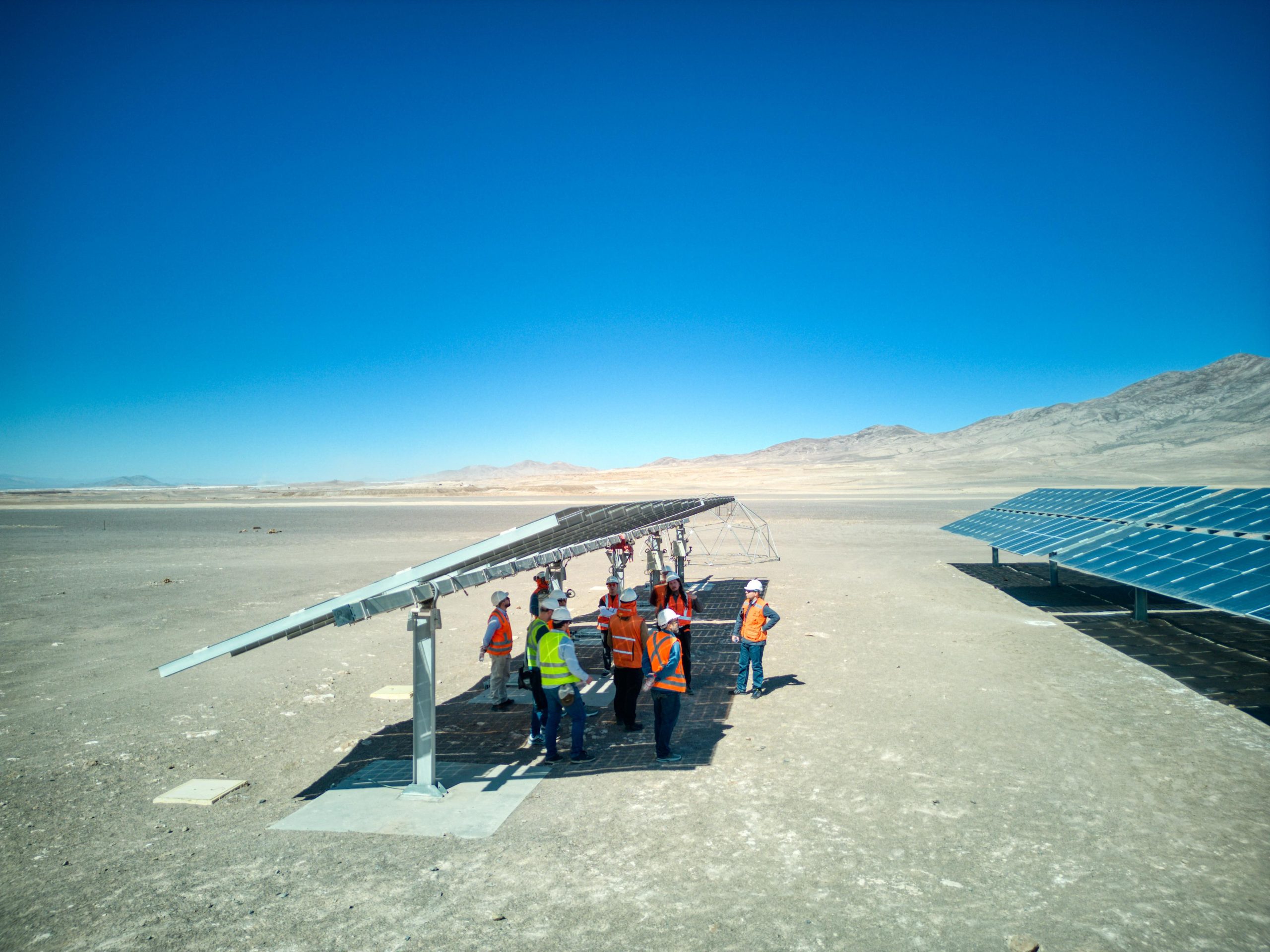
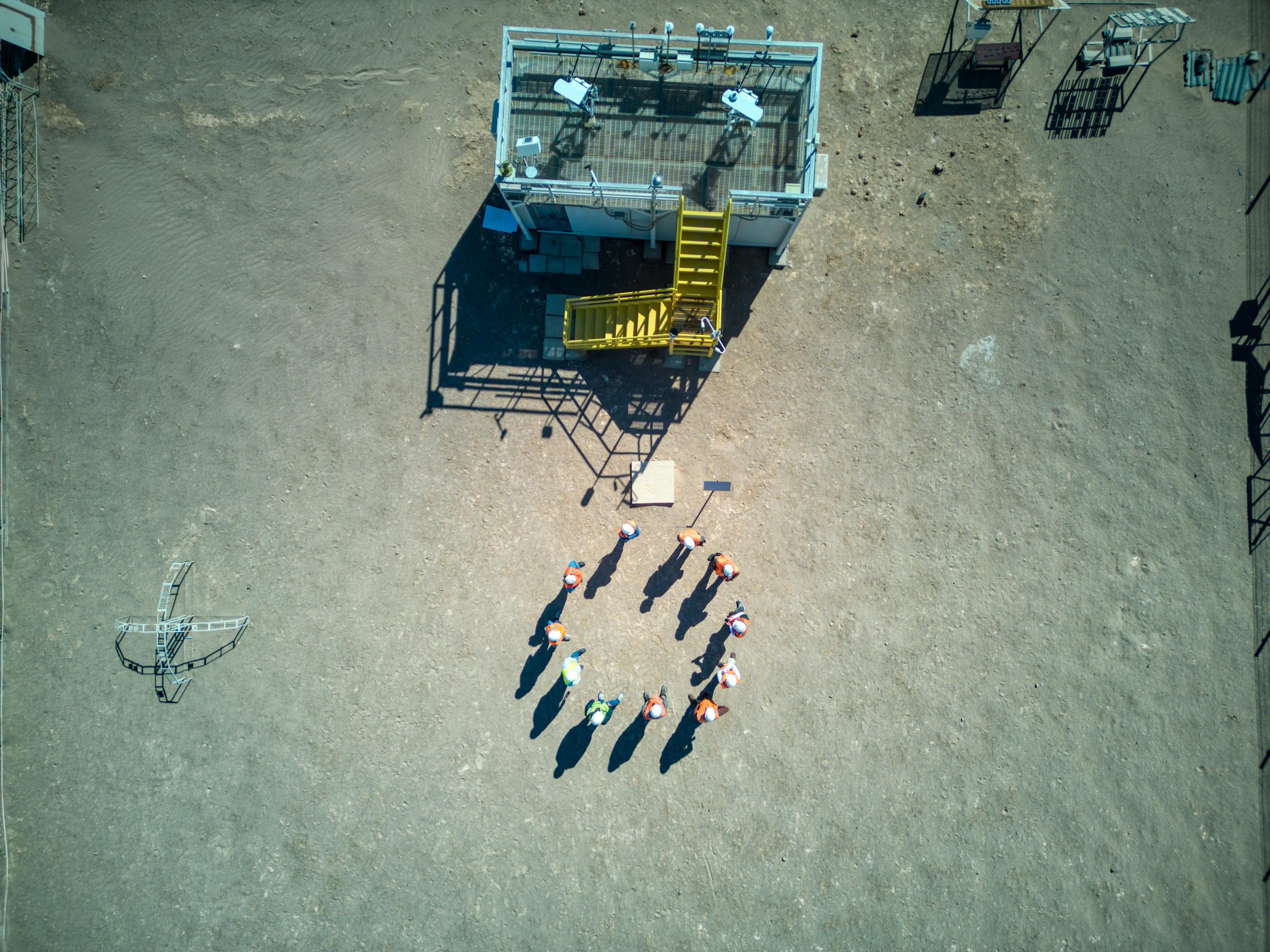
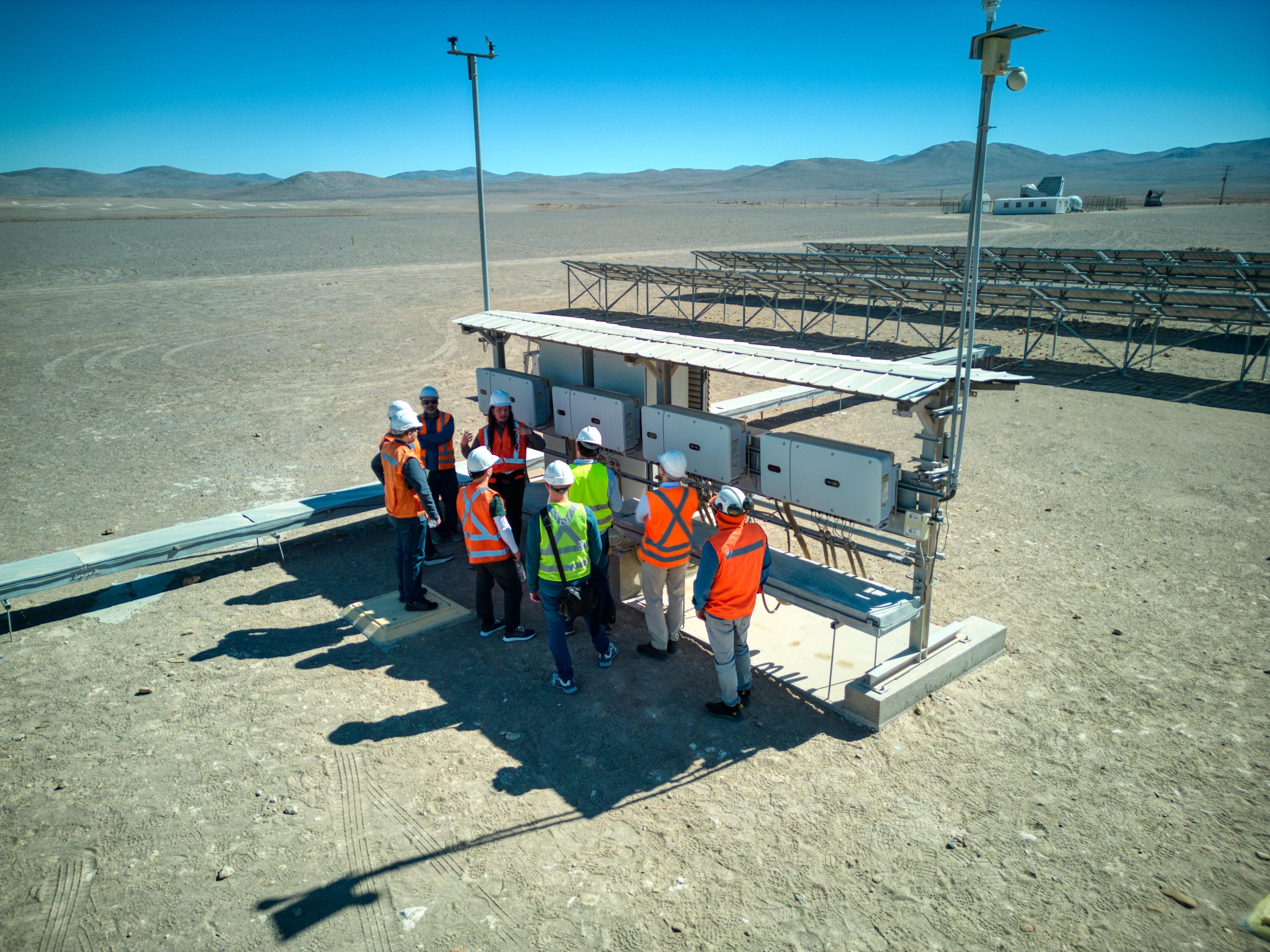
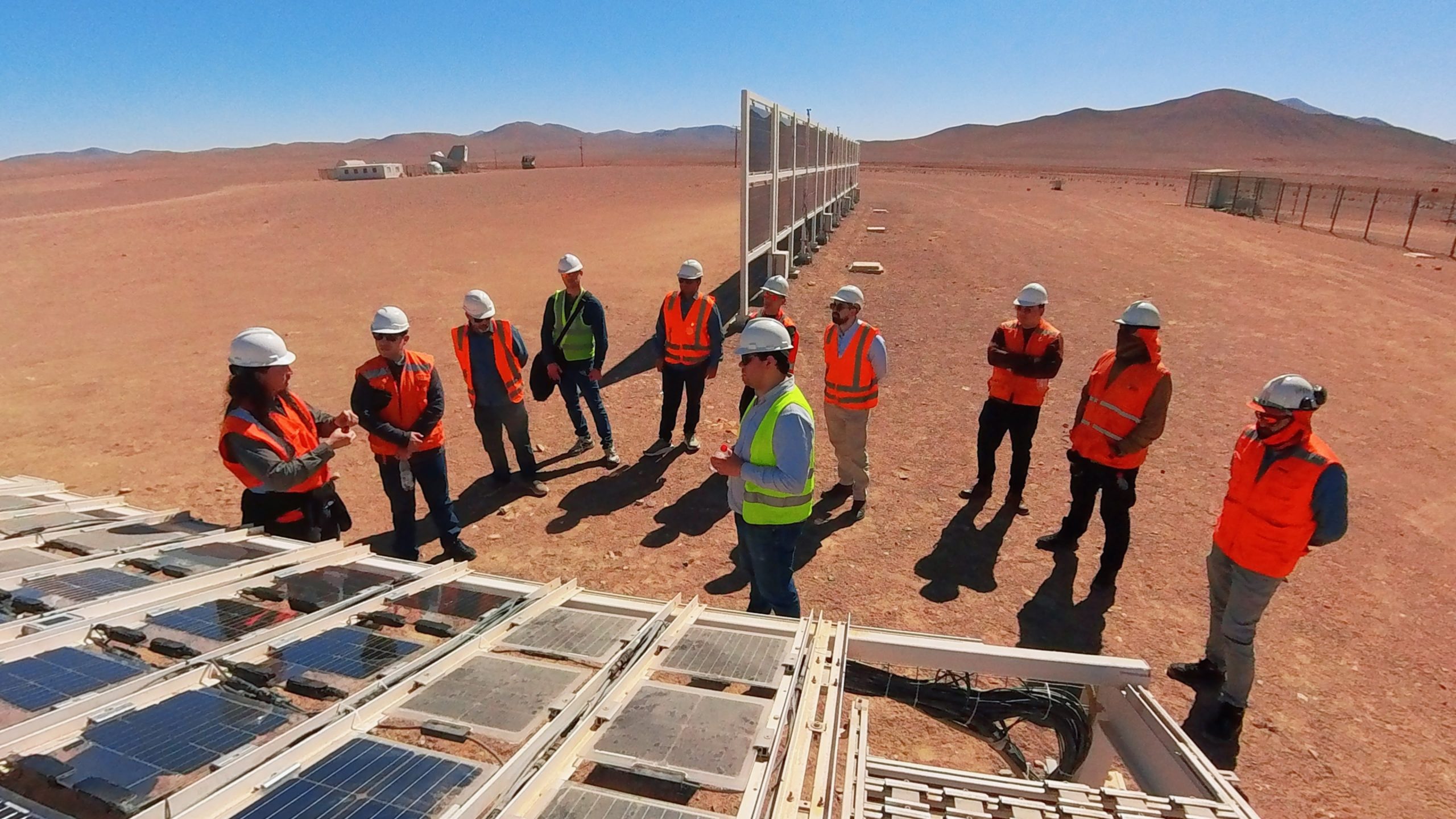
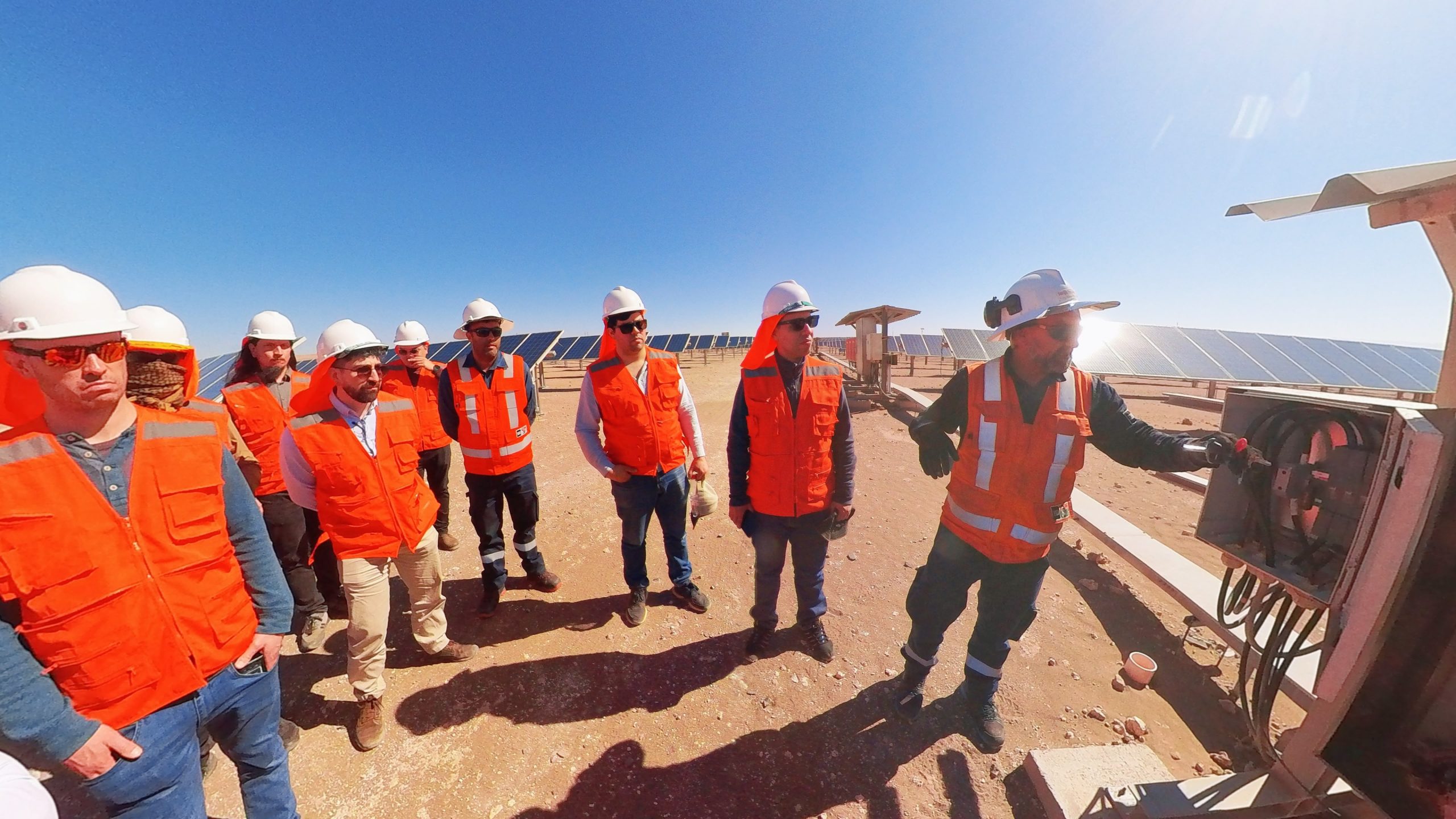
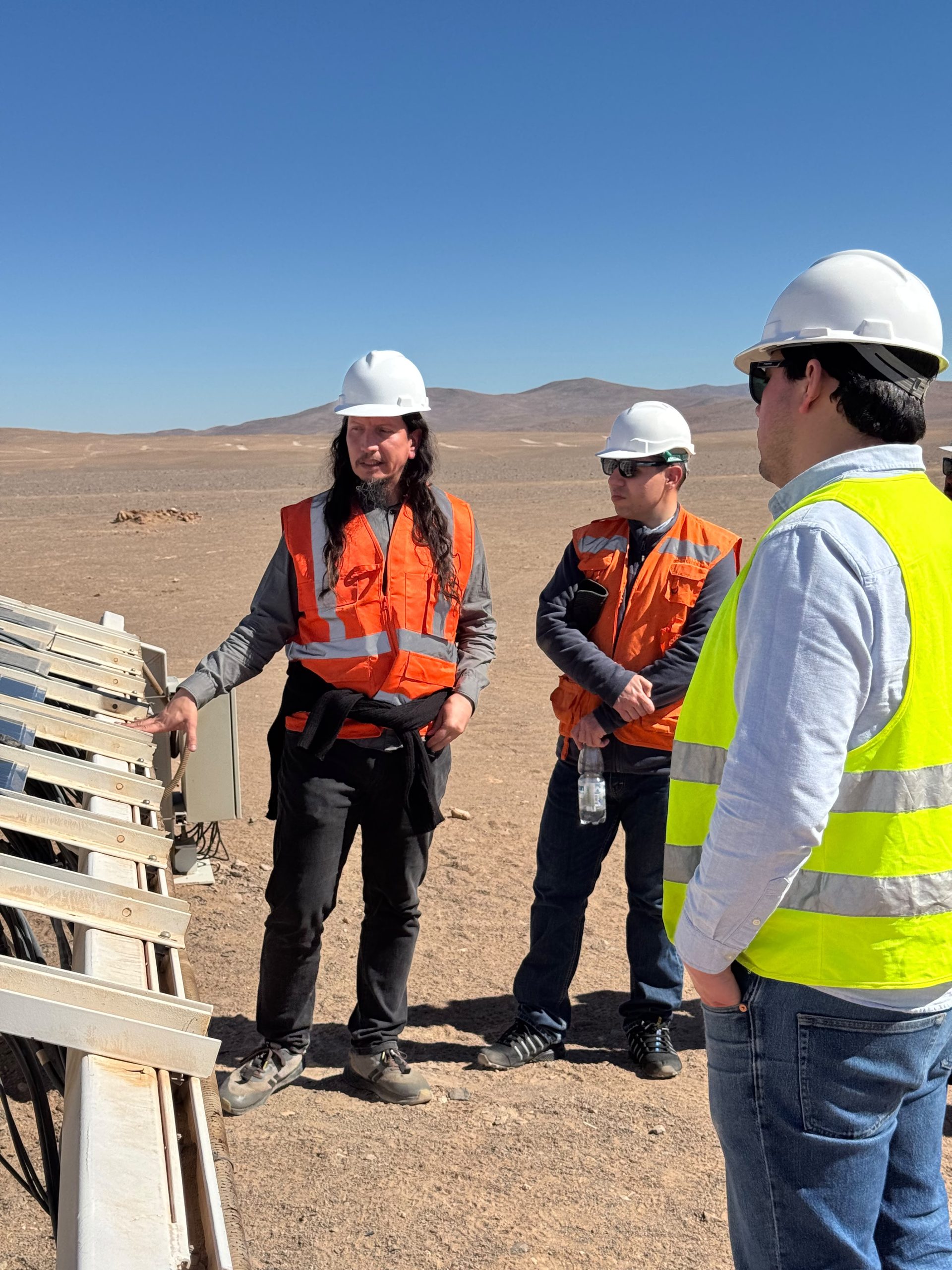
The first session, held on Thursday, July 30, included tours of the Atacama Desert Solar Platform (PSDA), the Lalcktur photovoltaic plant, and various academic facilities of the Universidad de Antofagasta linked to the Antofagasta Energy Development Center (CDEA-UA).
During the tour, participants learned about capacities associated with photovoltaic technologies, thermal materials and storage, solar hydrogen, measurement, energy characterization, and experimental validation.
The activity allowed for the connection of two essential dimensions of energy research: the knowledge generated in university laboratories and its application or validation in facilities operating under real-world conditions. In a region characterized by extraordinary solar radiation availability and intense mining and industrial activity, this combination offers a strategic opportunity to design, test, and scale technologies adapted to the environmental and productive conditions of northern Chile.
One of the central points was the visit to Lalcktur, an industrial-scale photovoltaic plant operated by the Universidad de Antofagasta in collaboration with the ATAMOSTEC Corporation, which also serves as a platform for applied research and technology testing. Its infrastructure allows for studying the performance of photovoltaic modules, inverters, solar tracking systems, cleaning methods, maintenance, monitoring, and energy conversion under desert conditions.
The visit to the university laboratories also showed the scientific capacities available to address challenges related to the energy transition, storage, hydrogen production using solar energy, material utilization, and the performance of different technologies.
These spaces represent much more than specialized infrastructure. They constitute meeting points for student training, thesis development, experimentation, technology transfer, and the generation of collaborative projects with potential for regional and national impact.
A World Café to focus research
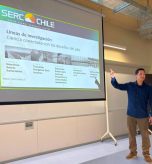
The second session, held on Friday, July 31, was dedicated to transforming the capacities identified during the technical visit into concrete collaboration proposals. To this end, a World Café was organized—a participatory methodology that allowed for interdisciplinary conversations through thematic tables and successive rotations of researchers.
The tables were structured around the four specific objectives of SERC Chile's Research Line 3:
- Hybrid solar systems for productive sectors and communities.
- Energy storage technologies, local materials, and second-life alternatives.
- Comprehensive evaluation of technical, economic, social, and environmental impacts, incorporating life cycle, circular economy, and public policy influence.
- Decentralized energy models, smart grids, and interaction between consumers and prosumers.
At each table, the participants shared capacities, infrastructure, data, experiences, and research problems. The rotations allowed each proposal to be examined from different disciplines and institutions, enriching the initial ideas and preventing challenges from being addressed from isolated perspectives.
The purpose was to identify the next steps to focus Research Line 3’s research, link its members' capacities with the commitments made by SERC Chile, and define verifiable outputs. These include pilot projects, conceptual models, testing protocols, databases, publications, theses, technical documents, technology transfer proposals, and public policy recommendations.
The methodology also sought to move towards the identification of responsible parties, required collaborations, expected results, and short- and medium-term actions. In this way, scientific conversations can be progressively translated into shared work agendas and commitments subject to monitoring.
Scientific knowledge with public policy influence
One of the focal points of the workshop was to broaden the perspective on research outputs. While scientific publications, theses, and human capital formation remain fundamental results, the energy transition also demands the generation of knowledge useful for public decision-making and regulatory processes.
The capacities gathered in Research Line 3 can contribute to the development of public policy documents, technical reports, regulatory proposals, and evidence-based recommendations for regional and national institutions. Among the areas of influence are the integration of renewable energies, storage, energy communities, sustainable mining, circular economy, technology reuse, smart grids, and territorial energy planning.
The challenge consists of translating research results into rigorous, understandable, and timely information for authorities, regulatory bodies, regional governments, municipalities, companies, and social organizations. This work will ensure that the experience accumulated by universities does not remain solely within the academic sphere but contributes to guiding regulations, public instruments, and strategic decisions for the country's energy development.
Antofagasta possesses particularly relevant conditions for this purpose. Its scientific infrastructure, experience in solar technologies, and proximity to mining and industrial operations allow for the generation of evidence in real-world scenarios. The lessons learned from the territory can contribute both to solving regional needs and to formulating national policies.
Building trust for collaboration
The two sessions demonstrated that scientific collaboration does not only begin with the formulation of a project or the publication of an article. It begins when researchers learn about the work of other teams, tour their facilities, understand their capacities, and establish relationships of trust.
This trust is essential for sharing equipment, data, and methodologies; agreeing on responsibilities and authorship criteria; jointly training students; and sustaining long-term inter-university projects. It also allows for the recognition of institutional differences and the creation of transparent agreements regarding the expected contributions and benefits of each collaboration.
The participation of researchers from eight universities gave the activity a genuinely inter-institutional and national character. Each university contributes different knowledge, infrastructure, and territorial experience, making it possible to approach the energy transition from a broader, decentralized, and relevant perspective.
An experience that will continue in other institutions
The activity carried out at the Universidad de Antofagasta is part of a process of coordination that will continue throughout the execution of the SERC Chile project. This type of gathering will be replicated in other participating universities and institutions, allowing members of Research Line 3 to discover new capacities, laboratories, case studies, and application territories.
Organizing workshops in different institutions will contribute to distributing leadership, making the infrastructure available in the regions visible, and strengthening a collaboration network with national scope. Each meeting will provide new learning, identify gaps, and connect scientific capacities with specific productive, social, environmental, and regulatory challenges.
With these activities, SERC Chile moves forward in building a scientific community capable of working in a coordinated manner and of transforming knowledge into energy solutions, public policy proposals, and concrete benefits for the territories.
In a strategic field such as energy, building trust and cooperation among universities is not a secondary outcome. It is an essential condition for developing lasting capacities, responding to the challenges of the energy transition, and contributing, through science, to the sustainable development of Chile.