

SERC Chile promotes regional dialogue with the Seremis of Energy of Biobío and Ñuble
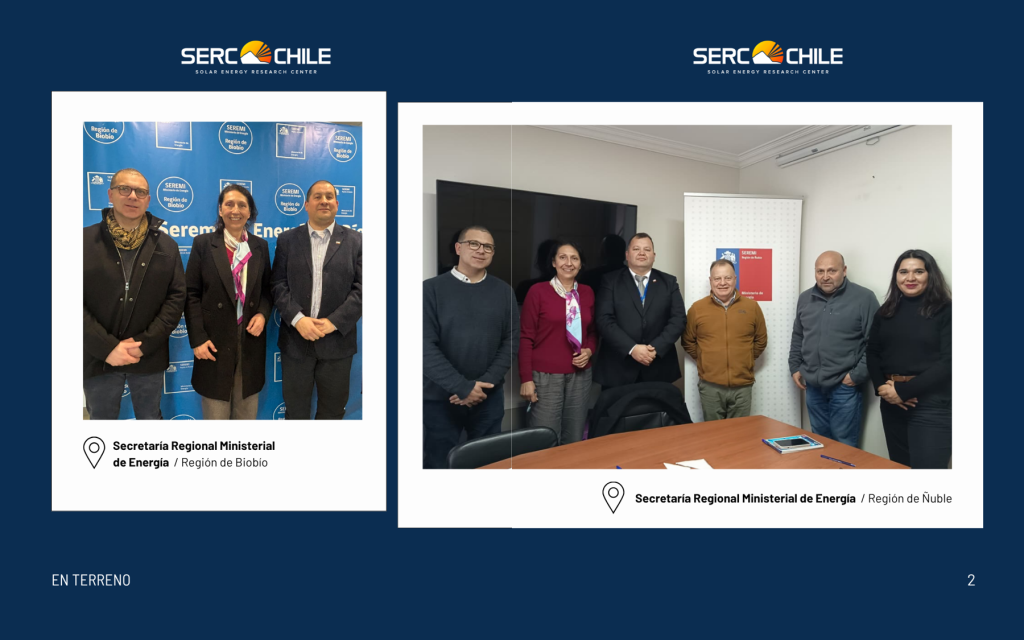
On Monday, August 3, representatives of SERC Chile held meetings with the Seremis of Energy from the Biobío and Ñuble regions, with the aim of presenting the Center's new phase and learning about the main energy challenges of both territories.
In the Biobío Region, the meeting was led by the Seremi of Energy, Javier Salamanca, together with professionals from his team. During the meeting, SERC Chile presented its trajectory and its current phase as a Research and Development Center of Excellence of National Interest, highlighting its commitment to the generation and transfer of knowledge to support public decision-making.
The conversation provided insight into the work carried out by the Seremi to translate national energy policy guidelines into regional reality, considering the productive, social, and territorial challenges specific to Biobío.
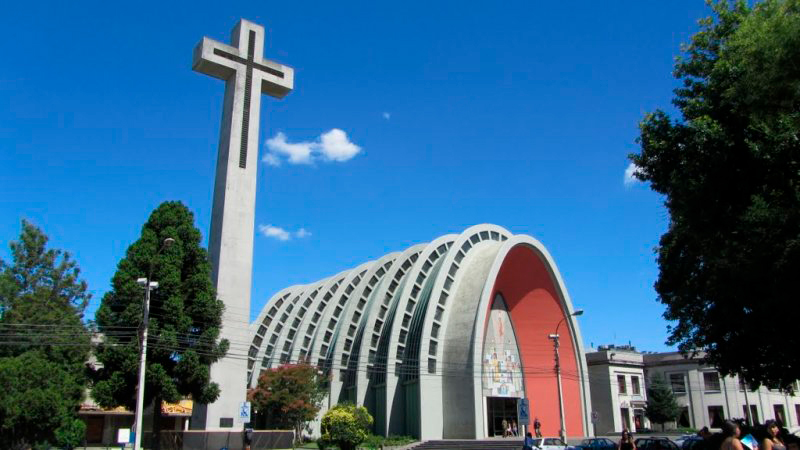
In the Ñuble Region, the meeting was led by the Seremi of Energy, Cristian Jaque, accompanied by members of his team. On this occasion, SERC Chile's work was also presented, and the challenges facing the region in terms of energy transition, infrastructure development, decarbonization of its productive activities, and the inclusion of rural territories were addressed.
Both meetings allowed for an exchange of perspectives on regional energy development and the exploration of potential spaces for collaboration between SERC Chile and local authorities. The discussions highlighted the importance of generating pertinent solutions for each territory, strengthening participation processes, and bringing scientific evidence closer to the needs of public institutions and communities.
Representing SERC Chile were the Center's director, José Miguel Cardemil; the principal investigator of Line 4, Claudia Carrasco; and the Transfer manager, Lorena Mondaca.
SERC Chile thanks Seremis Javier Salamanca and Cristian Jaque, as well as their respective teams, for their willingness to engage in dialogue and their interest in advancing a collaborative agenda oriented toward a sustainable, inclusive energy transition with a territorial focus.