

The Solar Energy Research Center (SERC Chile) began the 2026-2030 cycle as one of the 11 Research Centers of National Interest of the National Agency for Research and Development (ANID), sponsored by the Universidad Católica and the Universidad de Chile. Its greatest challenge in this new stage will be linking scientific research with public policies that impact the country's energy transformation, including the social impact on communities.
Leveraging the country's natural advantages for solar energy production, SERC Chile investigates the use of solar resources and the development of technologies with an interdisciplinary approach. Alongside this, it addresses sustainability challenges such as material wear, waste management, and environmental impact. Likewise, it develops solutions in energy storage and the production of green hydrogen, ammonia, and synthetic fuels, exploring efficient and effective technologies. The Center works on the integration of solar energy into power systems and promotes equitable access to energy and community participation.
“The energy transition is one of those challenges that allow no delay,” explained the UC Rector, Juan Carlos de la Llera, “Climate change and the impact of new technologies place us before real urgencies, but also before extraordinary opportunities.”
“Chile has a natural solar energy laboratory without comparison in the world. Harnessing it with scientific rigor, a long-term vision, and inclusive social impact is exactly what SERC Chile aims for in this new development cycle: from sustainable solar solutions and smart systems to evidence-based public policies and benefits equitably distributed across the territory,” he added.
For her part, the Rector of the Universidad de Chile, Rosa Devés, stated that “the energy transition demands something deeper than replacing one technology with another: it requires us to rethink our relationship with the territory, natural resources, and those who will come after us. Therefore, a center like SERC Chile is highly relevant because, through knowledge, it will teach us about the potential of solar energy and its scope in various fields.”
The Vice Rector for Outreach and Communications of the Universidad de Chile, Pilar Barba Buscaglia, added that “the required response cannot emerge from a single institution, a single discipline, or a single perspective. It requires collaboration, dialogue, and the ability to articulate diverse knowledge around a common challenge.”
Launch
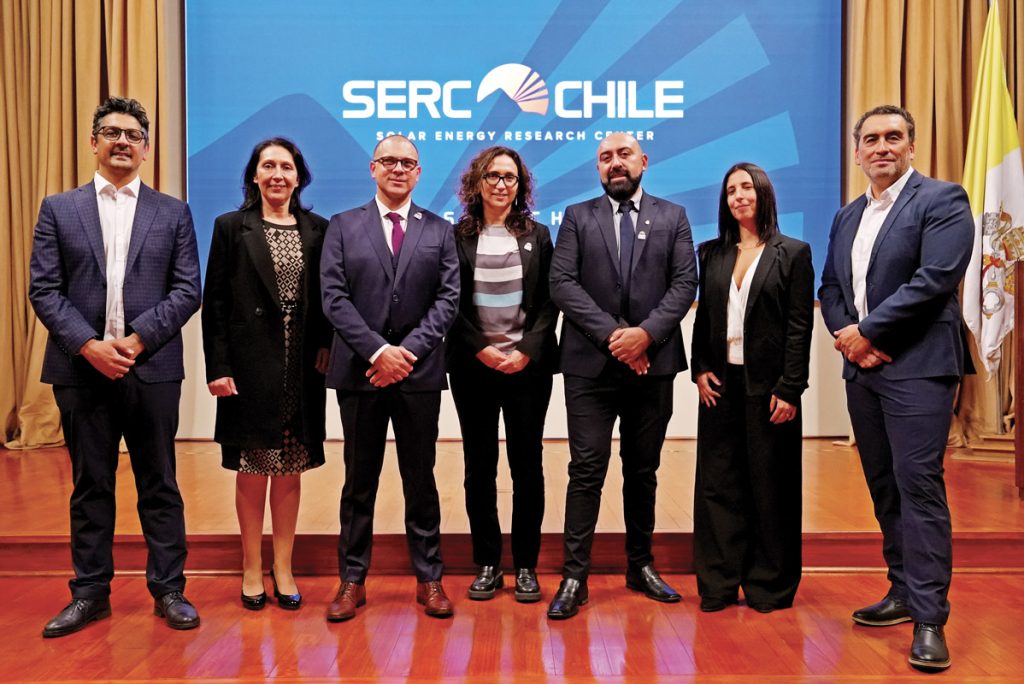
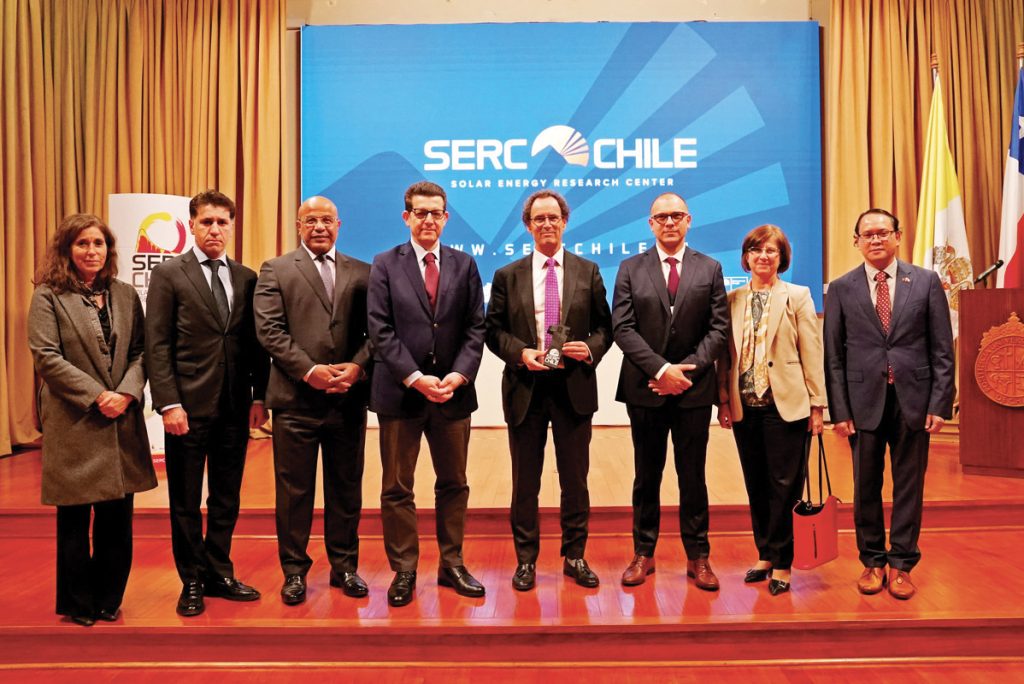
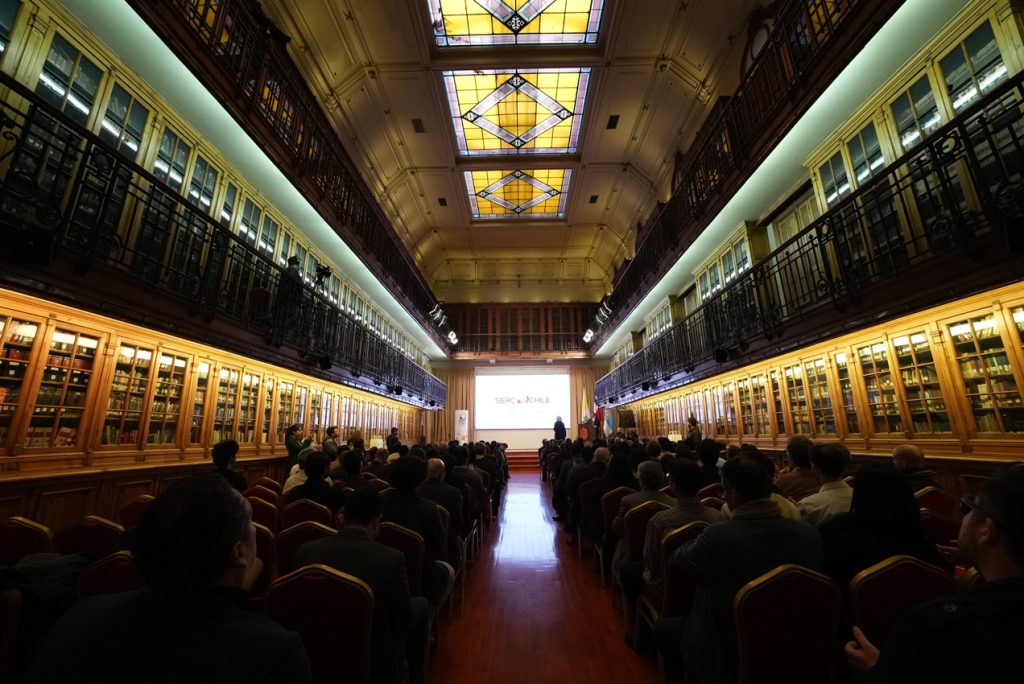
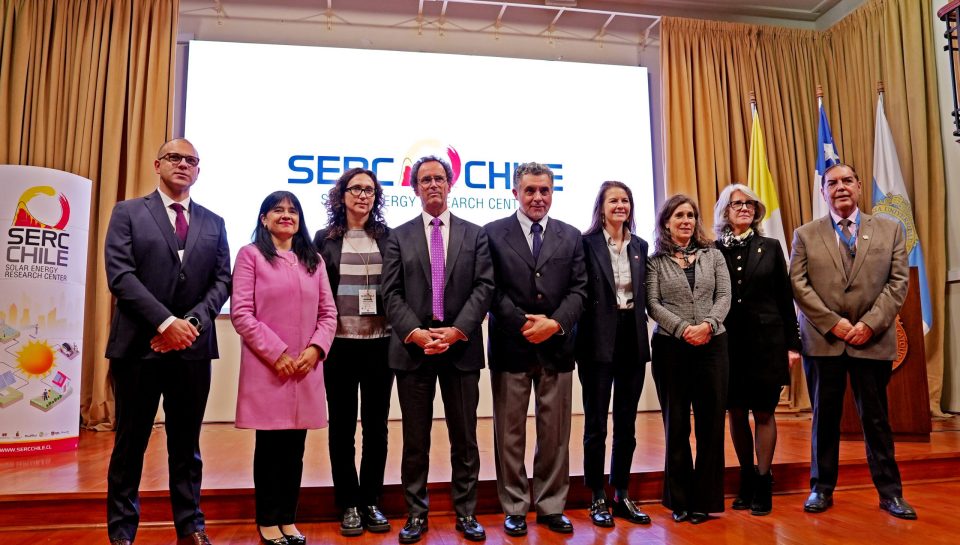
The launch of SERC Chile as a Research Center of National Interest took place at an event held at the UC Central Campus, which, in addition to university authorities, featured the participation of Hugo Briones, Undersecretary of Energy, who emphasized that the Solar Energy Research Center “exemplifies what we want to do as a government in the energy transition; utilizing the full energy potential of our country and leading it. It is not just about solar panels but goes much further; it is the energy integration of all means that contribute to having clean, more affordable, and sustainable energy.”
The Undersecretary of Science, Technology, Knowledge, and Innovation, Carolina Rossi, explained on the occasion that “the world needs us today because of the possibilities we have in solar energy, but how we articulate that system is not so obvious and logical. In that regard, I think it is right that it is done with all the actors of the complete value chain and within the ANID framework.”
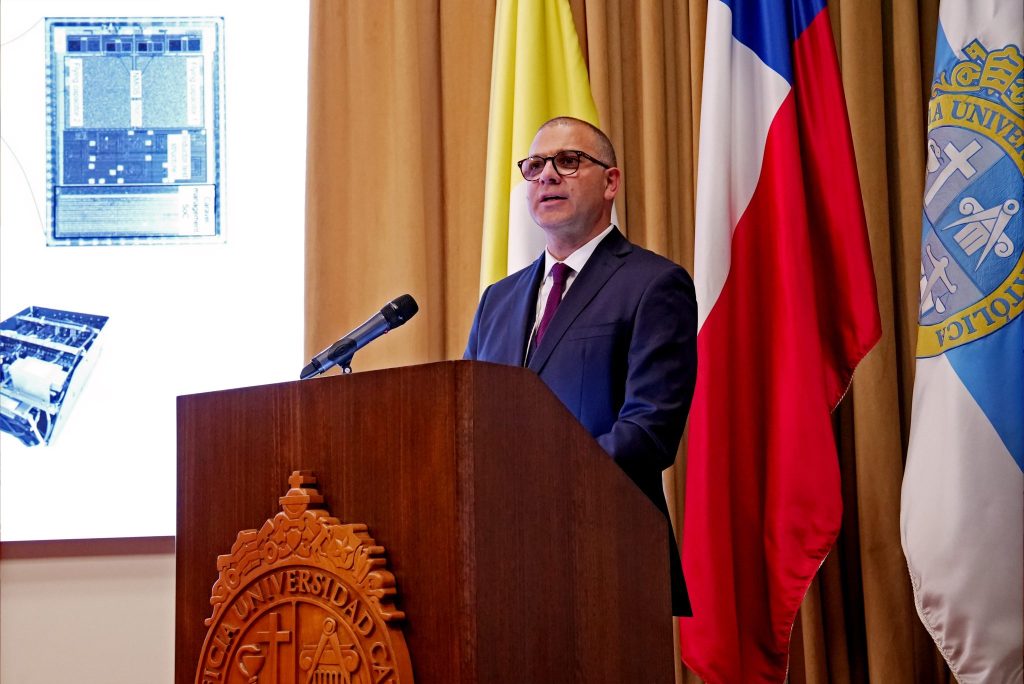
The newly appointed Director of SERC Chile 2026-2030, academic from the Pontificia Universidad Católica de Chile, José Miguel Cardemil, addressed the relevance of this research center's continuity, given the global circumstances that have impacted the international energy sector, and the role it has played in leading solar energy in the country.
“The current geopolitical situation has stressed our energy planning and questioned how we plan our future development. SERC Chile sees this situation as an additional opportunity to make available all the knowledge we have developed during more than a decade of work, to facilitate this energy transformation process and ensure, furthermore, that we provide methodologies and tools that allow us to transfer that knowledge to society,” he added.
In the same vein, the Director of Innovation at the Universidad de Chile, also in her role as Alternate Director of SERC Chile, Anahí Urquiza, highlighted the project's new challenge, which includes an interdisciplinary perspective with a special social component as a new line of research. “We must not forget why we are undergoing an energy transition, as it is a responsibility, a duty, something we must do and are committed to, because we need to reduce greenhouse gases and thus diminish the impact of climate change in our territories and globally, and that relates to people’s living conditions and their consequences.”
In addition to the sponsoring institutions, SERC Chile is supported by the Universidad de Antofagasta, Universidad Adolfo Ibáñez, Universidad Técnica Federico Santa María, and Universidad de Concepción, institutions that have been contributing scientific knowledge for over a decade so that Chile can become a solar nation by 2050.