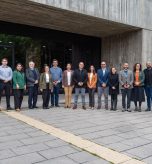


The project, conducted by SERC Chile researcher Jorge Yáñez, uses photochemical energy to purify and recycle the water used for the oxidation of red ore and its subsequent reduction to metallic copper.
The Solar Energy Research Center (SERC Chile), led by Jorge Yáñez, one of its principal investigators, promotes the development of the production process for the first metallic copper produced entirely with solar energy. “Metallic copper is an essential material for the transition to clean and non-conventional renewable energies, such as solar, wind, geothermal, and tidal energy, and Chile is a relevant actor in providing materials and technology that enable this transition,” the researcher mentioned.
Yáñez explained that every day, solar energy enables new and revolutionary advances to create sustainable production processes that save and protect water and do not harm the environment—for example, by avoiding gas emissions or wastewater.
The sun is an inexhaustible source of energy, which we can transform into three types of energy: electrical energy, thermal energy, and chemical energy. Electrical energy is produced through photovoltaic panels, which are already widespread. Thermal energy is generated in solar thermal systems that harness the sun's heat; and chemical energy is produced through semiconductor materials that, when illuminated, induce beneficial chemical reactions—what we call the photochemical energy of the sun. A good example of photochemical energy is photosynthesis, used by some living organisms such as plants and algae, among others, to transform the sun's energy into chemical energy to synthesize their structures and nutrients from water and atmospheric carbon dioxide.
Oxidation of copper minerals with solar energy
These types of energy are clean and allow us to address climate change, which is primarily caused by the use of energy from fossil fuels such as coal, oil, and natural gas: “For this reason, we have developed a way to harness the sun's photochemical energy to promote reactions that allow the oxidation of copper minerals and then the reduction to metallic copper, simply by illuminating copper minerals in water with a recyclable photocatalyst.”
Furthermore, Yáñez indicates that to use and return water to the environment in a clean manner and avoid health hazards for people and animals, one of the most important solutions lies in solar water treatment, which promotes chemical reactions that clean and purify this vital element.
Regarding the process, Yáñez noted that “in northern Chile, a beautiful coincidence occurs: a high intensity of solar radiation and an abundance of minerals, such as copper, molybdenum, silver, and lithium. Copper is mostly extracted using non-renewable energy sources such as fossil fuels. Therefore, through scientific research, we promote solar water treatment, which includes several technologies called advanced oxidation processes, based on chemical reactions that are induced by illuminating water with sunlight. This radiation enables the disinfection and purification of wastewater—both industrial and domestic.”
In this way, the SERC Chile researcher emphasizes the importance of advancing new processes that use sunlight as an energy input and innovating to contribute to the country's sustainability goals and environmental protection.